


Why Childhood Matters
The Princess of Wales’ recent essay, Creating the Conditions for Love to Flourish Through Nature and Creativity, offers a thoughtful reflection on why childhood matters. She reflects on a simple yet powerful truth: “Childhood can be understood as the state in which we come closest to our true selves.” Her words are a timely reminder that childhood is not merely preparation for adulthood. It is a unique and formative period that shapes children’s wellbeing, identity, relationships, and lifelong love for learning.
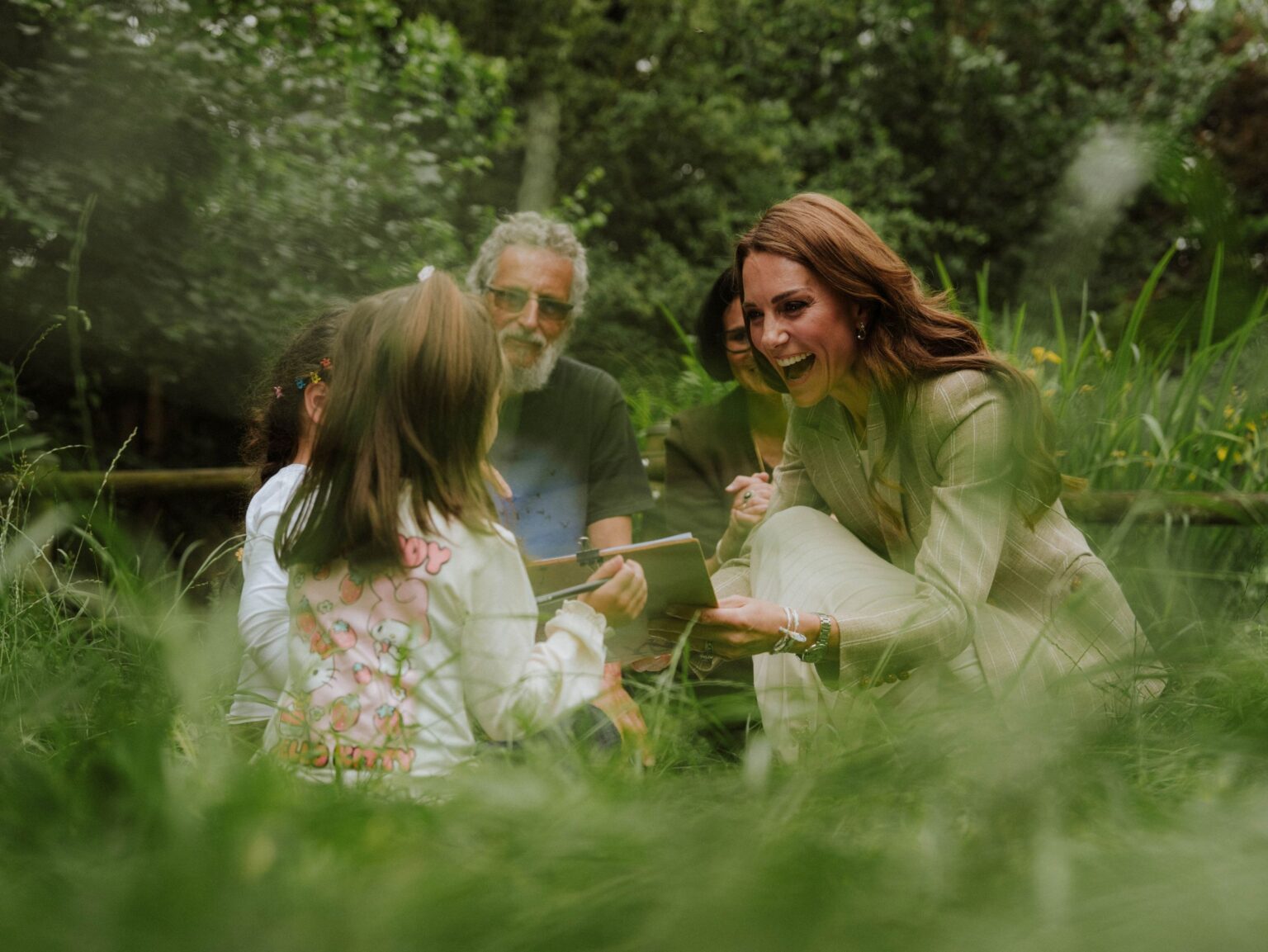
Photo credit: The Royal Foundation Centre for Early Childhood. Retrieved from Creating the Conditions for Love to Flourish Through Nature & Creativity. https://centreforearlychildhood.org/news-insights/guest-essays/creating-the-conditions-for-love-to-flourish-through-nature-creativity/
A Reflection from Middleton Bangkok
At Middleton Bangkok, these beliefs are deeply embedded in our educational philosophy. As part of the EtonHouse International Education Group, we are proud to be represent the Reggio Emilia Approach through REACH, reflecting EtonHouse’s longstanding commitment to Reggio-inspired practice, research and professional dialogue. This connection continues to shape how we see children and how we design meaningful learning experiences.
Central to the Reggio Emilia philosophy is the belief that every child is capable, competent, and full of potential. Rather than viewing children as passive recipients of knowledge, we see them as active participants in their own learning, driven by curiosity, creativity, and a natural desire to understand the world around them.
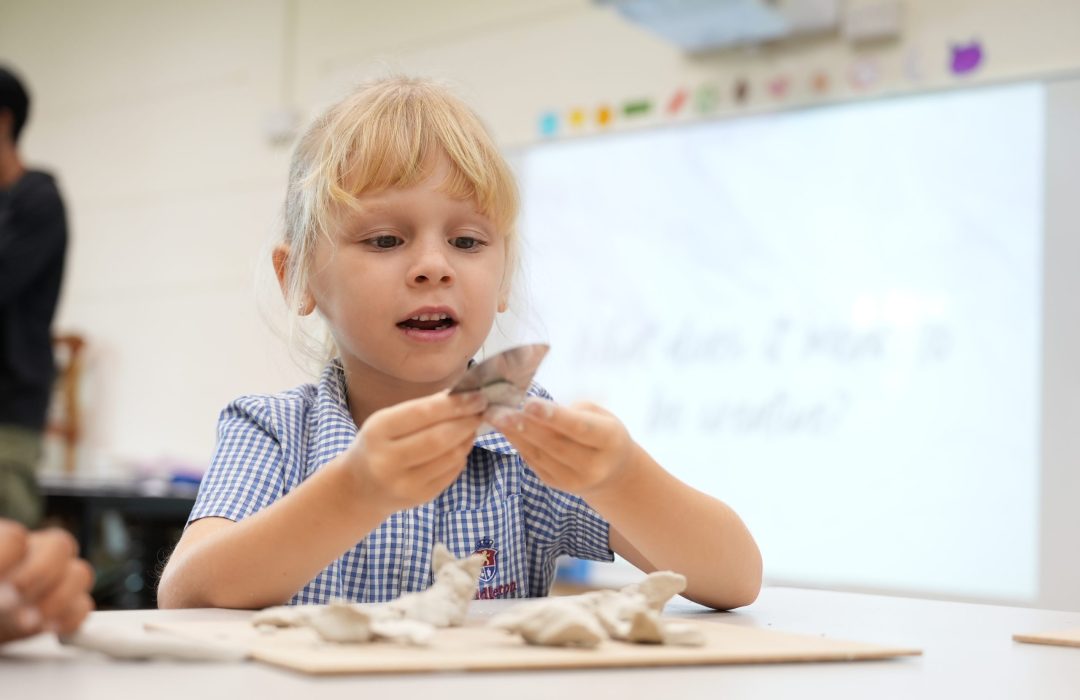
This belief is brought to life through the Hundred Languages of Children, the understanding that children express their thinking, ideas and theories in many different ways. A child may communicate through drawing, painting, movement, music, storytelling, construction, dramatic play, or by exploring the natural world. Each of these “languages” is equally valuable and provides children with meaningful ways to investigate, communicate, and make sense of their experiences.
Our learning environments are intentionally designed to support these many languages. Open-ended materials, thoughtfully curated spaces, inquiry-based experiences, and rich opportunities for collaboration encourage children to ask questions, test ideas, revisit their thinking, and express themselves with confidence. Learning becomes a process of discovery rather than simply finding the right answer.
Alongside academic growth, wellbeing remains at the heart of everything we do. We believe children learn best when they feel safe, respected, connected, and genuinely listened to. By nuturing curiosity, creativity, meaningful relationships, and a strong sense of belonging, we empower every child to develop into a confident, compassionate, and resilient learner.
As The Princess of Wales reminds us of the importance of protecting the spirit of childhood, we are reminded of our shared responsibility as educators and families. Together, we can create environments where children are free to wonder, imagine, express themselves, and flourish. Because education is not only about preparing children for the future. It is about honouring childhood and celebrating who children are today.
Further Reading
For families interested in exploring the importance of nature and creativity in early childhood, we recommend this insightful article by Her Royal Highness The Princess of Wales, published by The Royal Foundation Centre for Early Childhood:
Creating the Conditions for Love to Flourish Through Nature & Creativity
By Her Royal Highness The Princess of Wales
The Royal Foundation Centre for Early Childhood
Read the full article here:
https://centreforearlychildhood.org/news-insights/guest-essays/creating-the-conditions-for-love-to-flourish-through-nature-creativity/