Choosing the right curriculum is one of the most important decisions parents make when selecting a school. Two internationally recognised primary programmes are the International Primary Curriculum (IPC) and the International Baccalaureate Primary Years Programme (IB PYP).
While both programmes encourage inquiry, develop global-minded learners and promote holistic education, they differ in their approach to teaching and learning. Understanding these differences can help families choose the curriculum that best suits their child’s needs.
What is the International Primary Curriculum (IPC)?
The International Primary Curriculum (IPC) is a comprehensive curriculum designed for children aged 5–11. It provides a structured framework with clear learning goals while encouraging meaningful, cross-curricular learning.
Key features of the IPC include:
Thematic learning: Subjects are connected through engaging, real-world themes that help children make meaningful links across their learning.
Clear learning goals: Teachers follow well-defined academic objectives while adapting lessons to meet the needs of individual learners.
Personal development: Alongside academic progress, the IPC nurtures resilience, collaboration, international-mindedness and respect for others through its Personal Learning Goals.
Holistic assessment: A variety of assessment tools help teachers monitor progress and support each child’s development.
What is the IB Primary Years Programme (PYP)?
The IB Primary Years Programme (PYP) is an internationally recognised framework that places inquiry at the centre of learning.
Rather than prescribing a curriculum, the PYP provides a philosophy for teaching that encourages students to ask questions, investigate ideas and take ownership of their learning.
The programme focuses on:
Inquiry-based and transdisciplinary learning
Critical and creative thinking
Student agency and independence
The development of the IB Learner Profile, including attributes such as being knowledgeable, caring, open-minded and reflective
Because it is a framework rather than a curriculum, the PYP is often delivered alongside a school’s national curriculum.
IPC vs IB PYP: What’s the Difference?
Although both programmes share many similarities, their approaches are different.
| International Primary Curriculum (IPC) | IB Primary Years Programme (PYP) |
|---|---|
| A structured curriculum with clear learning objectives | A curriculum framework centred on inquiry |
| Thematic units connect learning across subjects | Learning is organised through transdisciplinary themes |
| Provides detailed academic learning goals | Focuses on how students learn and think |
| Strong emphasis on personal learning goals alongside academic progress | Develops the attributes of the IB Learner Profile |
| Offers a structured progression while remaining flexible | Gives schools greater flexibility in designing learning experiences |
What Do They Have in Common?
Despite their differences, both programmes aim to prepare children for success in school and beyond. They share a commitment to:
Inquiry-based learning
Holistic child development
International-mindedness
Collaboration and communication
Developing confident, lifelong learners
Why Middleton International School Bangkok Chose the IPC
At Middleton International School Bangkok, we have chosen the International Primary Curriculum (IPC) because it aligns closely with our educational philosophy and vision for learning.
The IPC allows us to provide a balanced education that combines academic rigour with creativity, wellbeing and personal growth. Its structured learning goals ensure children build strong foundations across all subject areas, while its thematic approach encourages curiosity, collaboration and meaningful connections between disciplines.
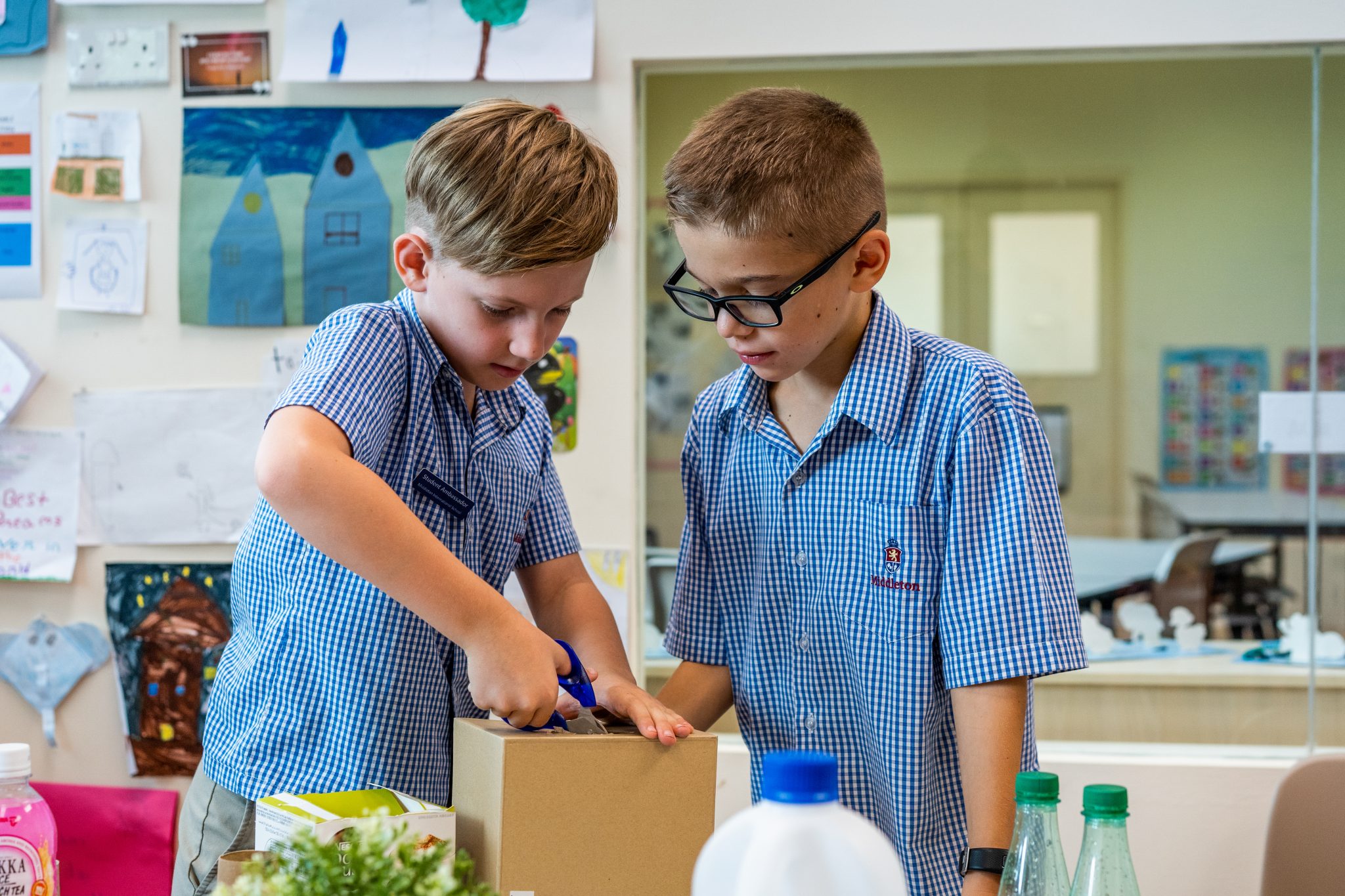
The curriculum also supports a range of learning styles through hands-on, inquiry-led experiences that incorporate technology, discussion, exploration and reflection. This enables every child to participate actively in their learning while developing the confidence and skills needed for the future.
Most importantly, the IPC reflects our commitment to nurturing learners who are academically capable, socially responsible and internationally minded—qualities that prepare them not only for secondary education, but for life in an increasingly interconnected world.
Choosing the Right Curriculum
Every child learns differently, and there is no single curriculum that is right for every family. When comparing programmes, it is important to consider not only the curriculum itself but also how it aligns with a school’s philosophy, teaching approach and learning environment.
Visiting schools, speaking with educators and understanding how learning happens in the classroom can help families make an informed decision that supports their child’s long-term growth and success.